Finishing plaster and skimming
Skimming means applying a thin finishing layer to a suitable, prepared background. Thistle MultiFinish is one example used on common plaster and plasterboard backgrounds; BoardFinish is intended for suitable plasterboard. Neither should be treated as a deep-hole filler or a way to straighten a badly uneven wall.
The plaster specification controls the application thickness. For example, British Gypsum lists 2 mm for MultiFinish. Do not automatically change that to match a bead described for an approximately 3 mm skim: check the complete plaster-and-bead detail with the manufacturers first.
Bonding plaster and HardWall: choose by background
A backing or undercoat plaster is used before a finishing coat where the wall needs an appropriate build-up. BondingCoat is intended for smooth or low-suction backgrounds. HardWall is aimed at suitable medium- to high-suction backgrounds, including many masonry surfaces.
Suction describes how readily the background draws moisture from the fresh plaster. Identify the wall, any existing coatings and the required preparation before choosing the bag. A product described as bonding plaster does not mean it can simply be applied over dust, loose paint or any smooth surface.
Lime plaster and traditional buildings
Old lime or clay plaster should be assessed before removal or covering. Retaining and repairing sound historic plaster is often preferable to replacing it. The SPAB recommends matching repairs to the original material and addressing the cause of damage first.
Lime-based systems need an appropriate background, mix and aftercare. Do not assume a modern gypsum skim or dense cement repair is suitable for an old solid wall. Persistent damp, significant movement, historic finishes and extensive loose plaster call for specialist assessment.
One-coat plaster, repair fillers and jointing compounds
One-coat plaster is a product category, not permission to fill any depth in one pass. Check the chosen manufacturer's permitted backgrounds, application depth and finish. A small repair filler is likewise not automatically a replacement for a whole-wall backing-and-finish system.
Plasterboard jointing compounds are used within specified joint-treatment systems. Taping and jointing a board installation is not the same process as skimming the entire surface. Follow the board system rather than mixing unrelated products because they look similar in the bag.
Float and set is a build-up, not a brand of plaster
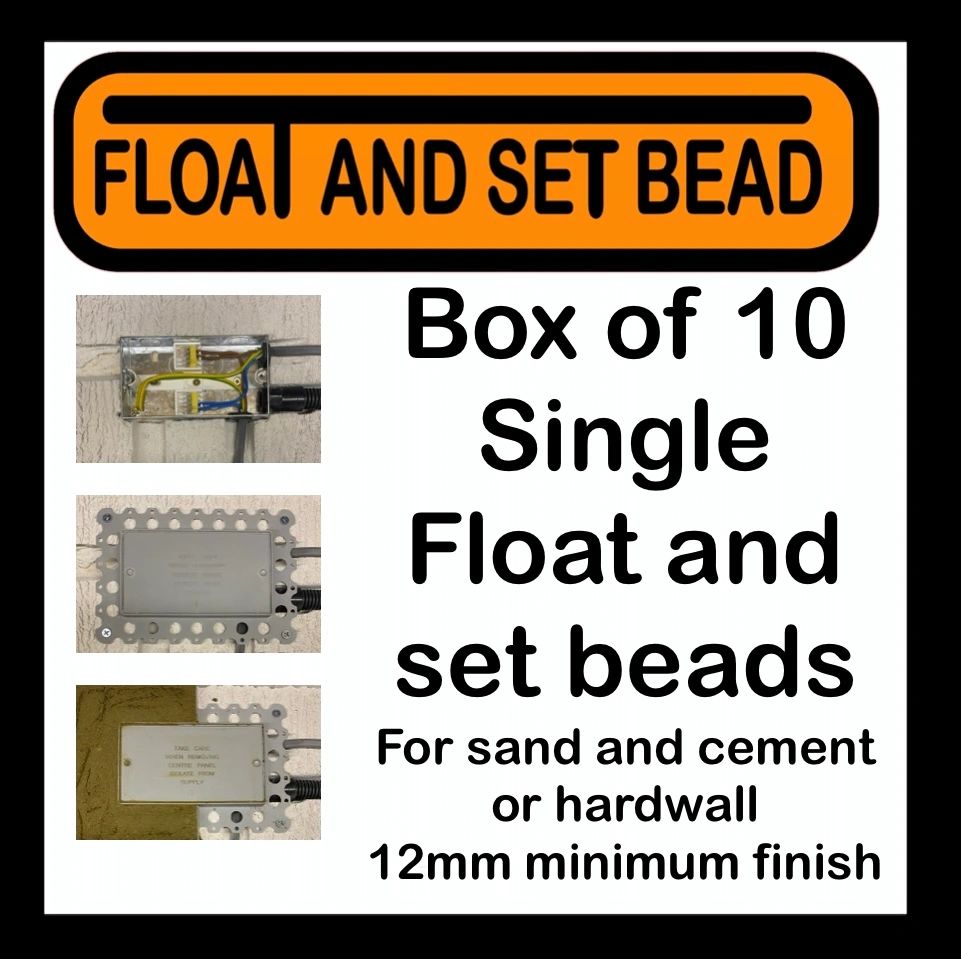
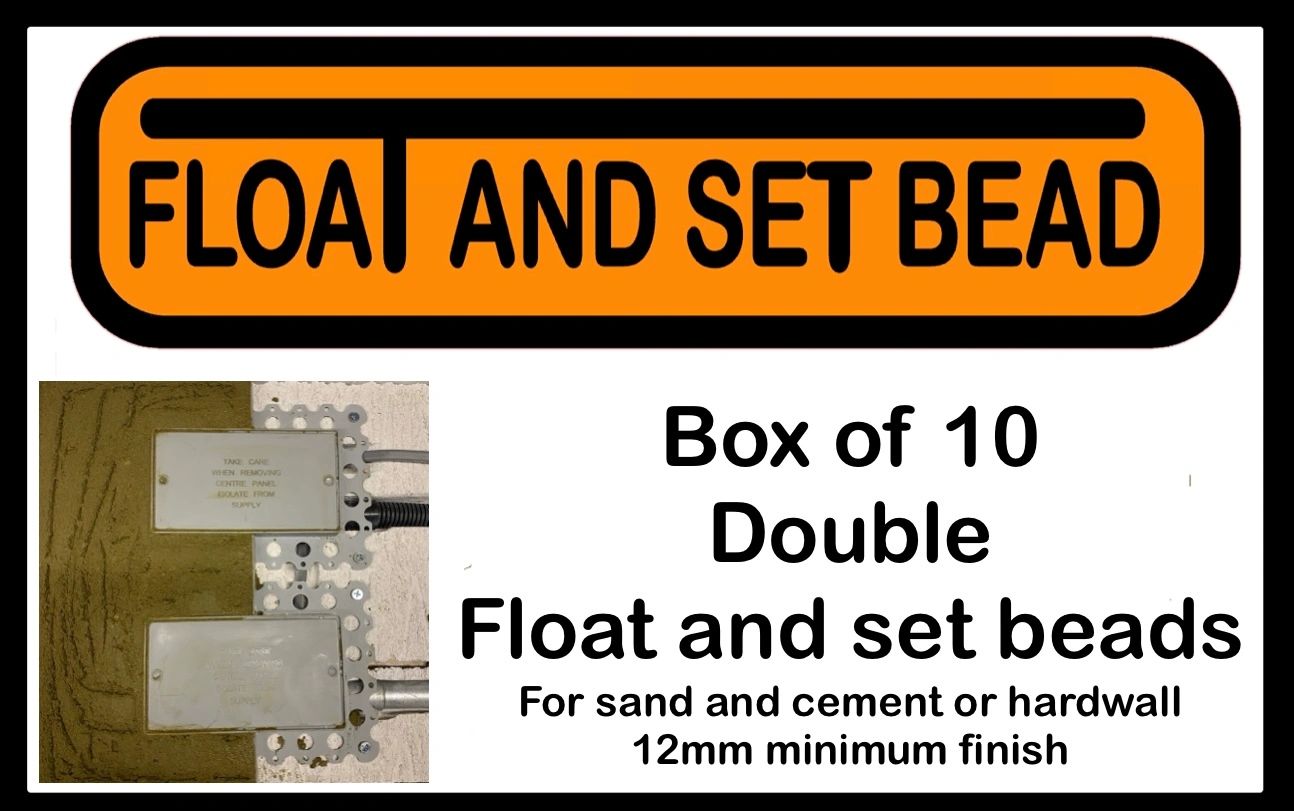
Float and set generally describes a backing coat followed by a finishing coat. The backing may be a specified gypsum, lime or sand-and-cement system. Choose it for the wall and project requirements; the terms do not make different materials universally compatible.
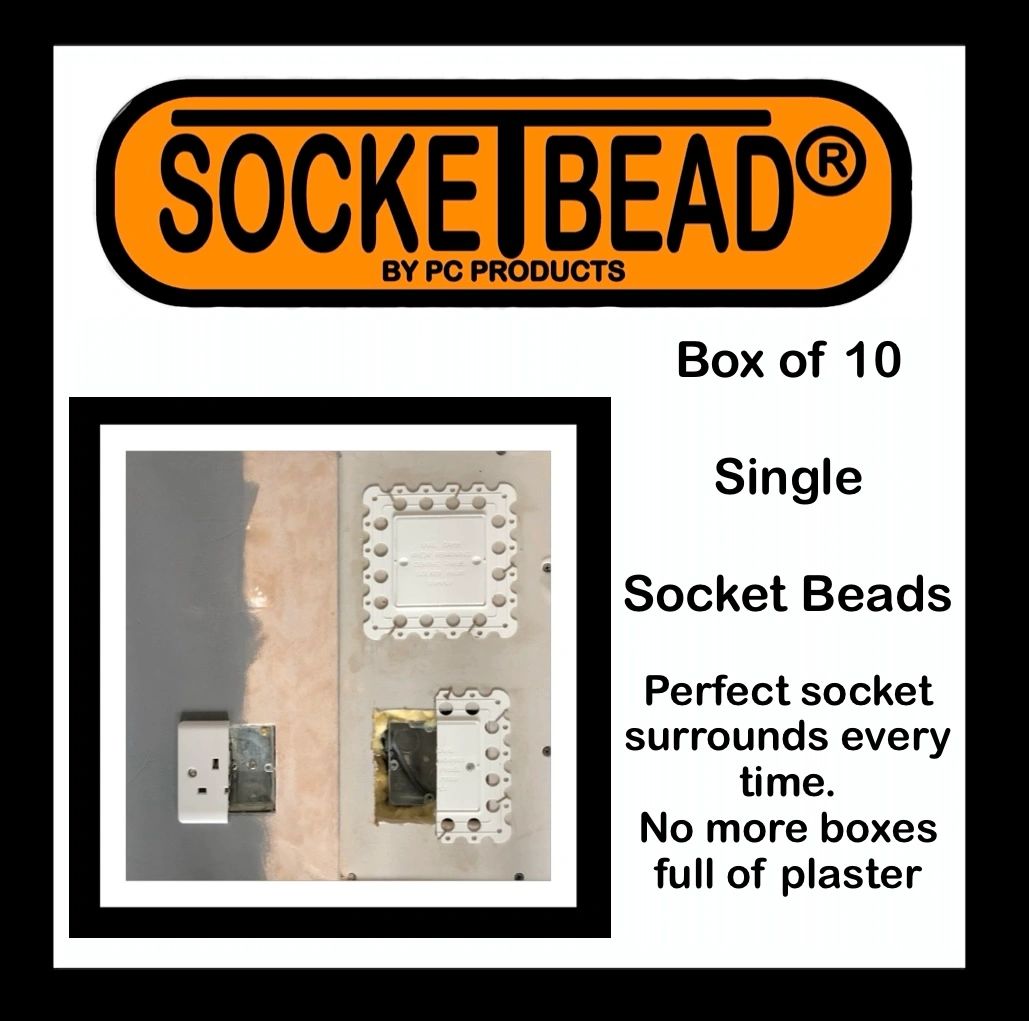
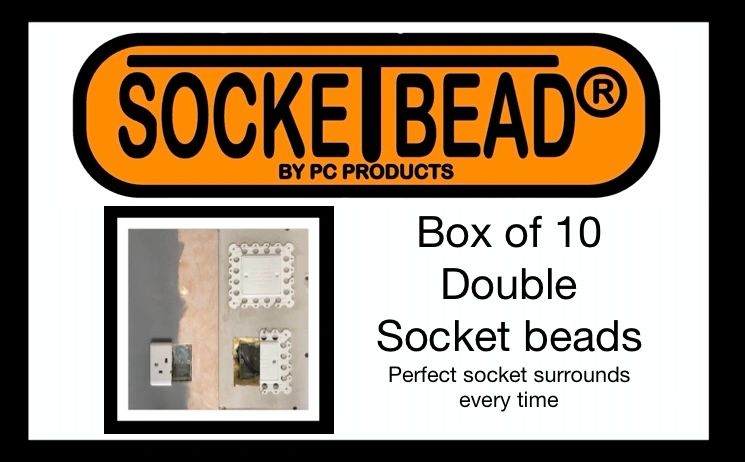
At sockets and switches, the finished wall line matters. A thin skim bead and a deeper float-and-set bead are different details. Check the complete finish depth, back-box position and accessory before work starts. Two passes of finishing plaster should not be confused with a backing coat plus a separate finish.
What to check before buying plaster
Write down the background, the area, the specified thickness and whether a backing coat is needed. Use the manufacturer's coverage information for that product and allow for the actual job rather than relying on a universal bags-per-room estimate.
Check storage and use-by information on bagged plaster. Setting and drying are different: a surface firm enough to touch is not necessarily ready to paint. Follow the plaster and decoration instructions, with ventilation and site conditions taken into account.
- Identify the background and any existing coating.
- Check suction control or bonding requirements.
- Match backing coat, finishing coat and bead detail.
- Resolve damp, movement or loose material before covering it.
- Read the product and safety information before mixing.
Common questions
Is bonding plaster the same as finishing plaster?
No. BondingCoat is a backing plaster for suitable backgrounds; a finishing plaster provides the final smooth layer. Follow the specified system for preparation, thickness and timing.
Is MultiFinish suitable for every wall?
No. It can finish a range of suitable backgrounds, but condition, preparation and the complete wall system still matter. An unsound, damp or incompatible background is not fixed by changing the finishing plaster.
Can a socket bead set the plaster thickness for me?
Only as part of a compatible detail. Check the bead's intended build-up against the plaster specification and finished back-box position; do not exceed a plaster manufacturer's instructions to suit a bead.