Mixing buckets, paddle mixer and bucket trowel
Keep a clean mixing bucket, clean water and a suitable mixer ready before opening a bag. Check the mixer's permitted materials and capacity. Use the water ratio and mixing sequence stated for the plaster, rather than adding water until a guessed consistency is reached.
A bucket trowel transfers material from the bucket to a hawk or other working surface. Keep mixing and cleaning water separate. Hardened residue belongs in the waste, not in the next mix, and clean tools should be ready before you start a time-sensitive batch.
- Choose a bucket size and mixer capacity appropriate to the batch.
- Keep the electrical supply, leads and connections away from wet work.
- Stop and isolate powered equipment before clearing or cleaning it.
Plastering hawk and finishing trowel
The hawk holds a manageable amount of plaster near the work. The finishing trowel transfers, spreads and works the surface. They do different jobs; a bucket trowel is not a substitute for the finishing trowel used on the wall.
Choose a trowel you can control comfortably, especially when learning. Blade size, stiffness, condition and handle comfort all affect how the tool feels. An expensive or very flexible finishing tool does not remove the need to apply the material evenly and work at the right stage.
- Check for damaged or dirty edges before use.
- Practise picking up a small amount from the hawk before loading it heavily.
- Clean and dry the tools as their manufacturers recommend.
Floats, straightedges and rules
A rule or straightedge helps assess and form a plane over a wider area. A float is used for particular working or surface-texturing stages, depending on the material and intended finish. A finishing trowel, sponge float and plastic float should not be treated as interchangeable tools.
For a backing coat, choose the levelling and floating tools specified for that system. For a decorative skim, use the appropriate finishing sequence. Before buying a specialist float, check exactly what its manufacturer intends it to do.
Corners, bullnose details and setting-out
Corners and rounded details need a clear finished shape to work towards. A standard corner bead, a socket bead and a bullnose tool have different roles: one forms an edge, another protects and defines an opening, and the specialist tool shapes a curve.
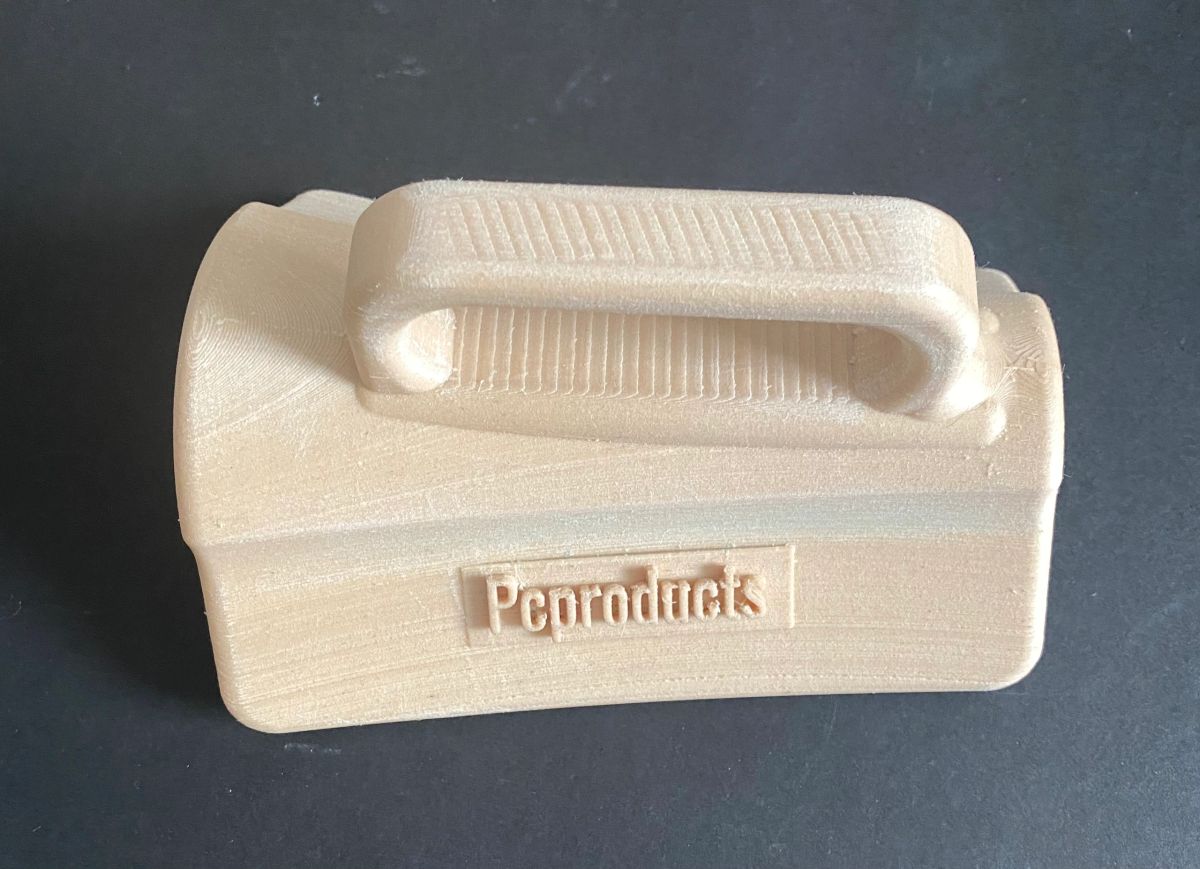
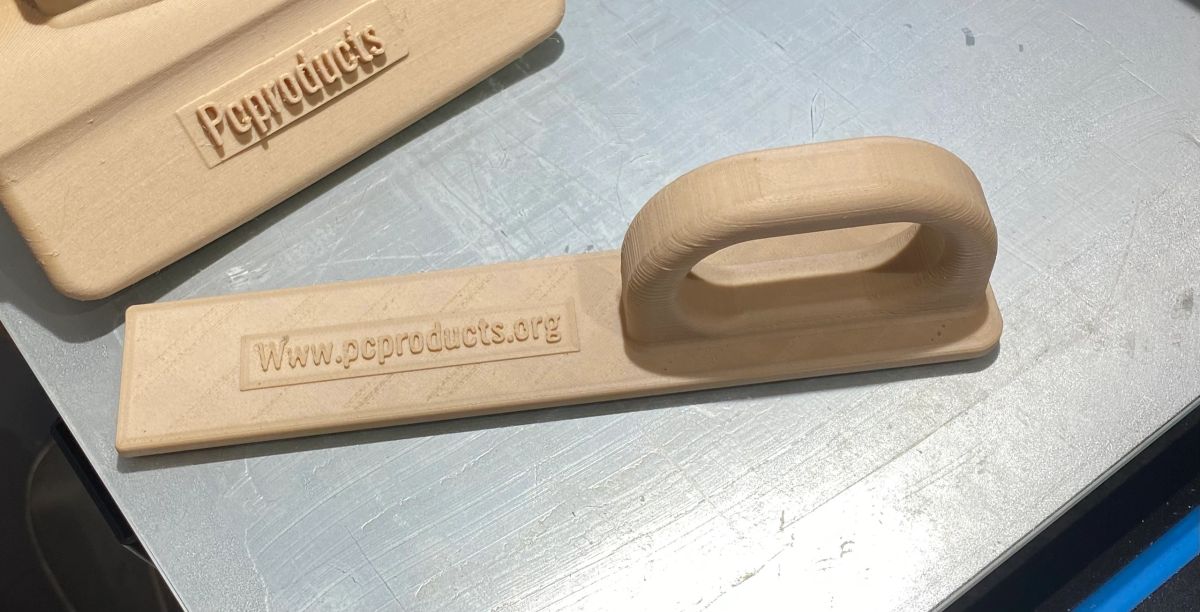
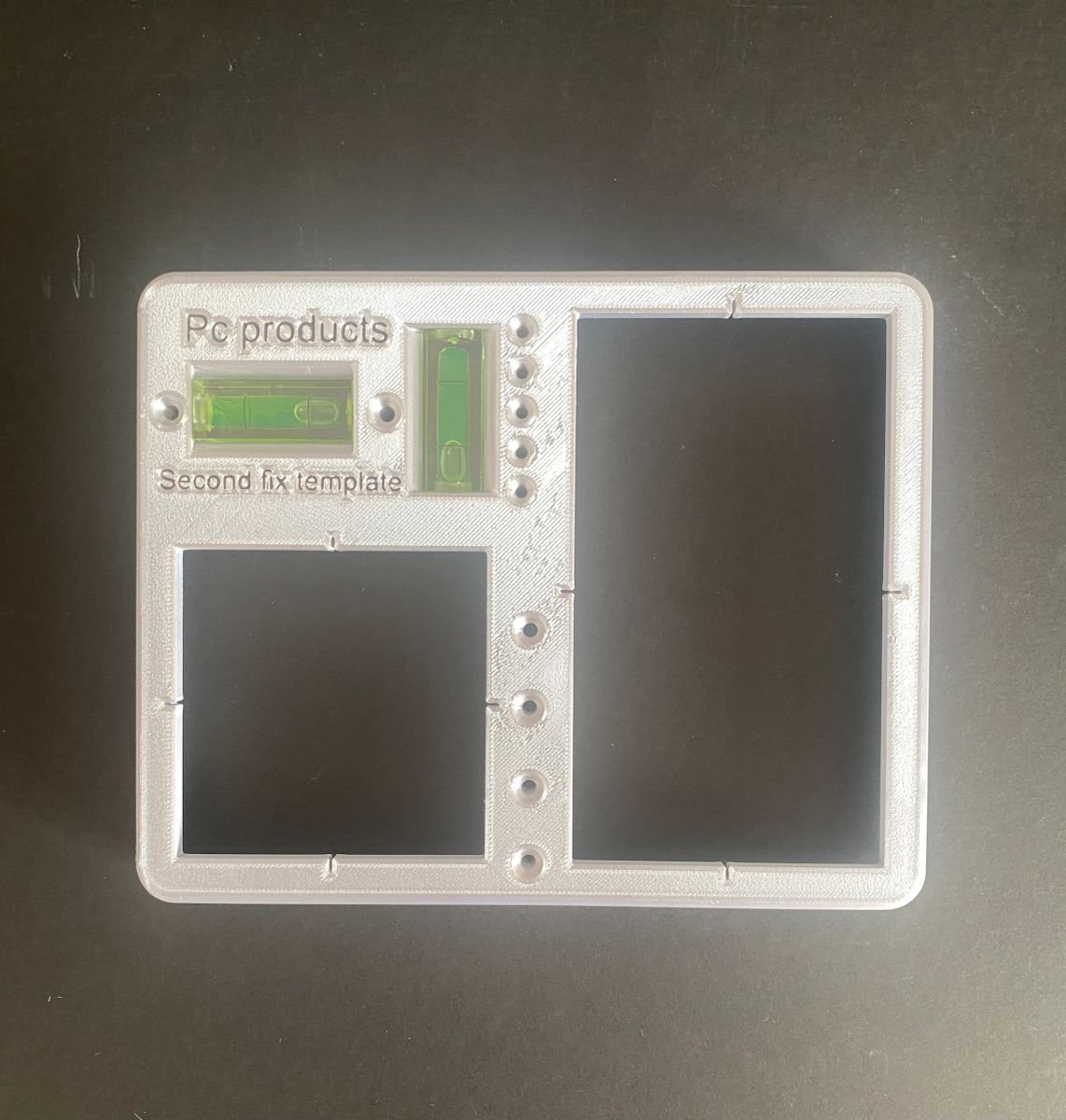
The PC Products variable bullnose trowel is part of the existing specialist range for rounded plaster details. The box template is a setting-out accessory for socket and switch positions, rather than a tool for applying plaster. Check their individual product pages before choosing.
Protection, dust control and working access
Protect surrounding surfaces and keep the floor and access route clear. Stable, suitable access matters on ceilings and high areas; improvised platforms are not a replacement for equipment intended for the task.
Control dust at its source rather than relying only on a mask. HSE identifies plasterboard-joint sanding as a task that can generate high levels of gypsum dust and gives task-specific extraction guidance. Select any respiratory protection from the risk assessment and follow fit requirements. Read the safety information for the actual materials being mixed or removed.
Useful extras, not substitutes for the basics
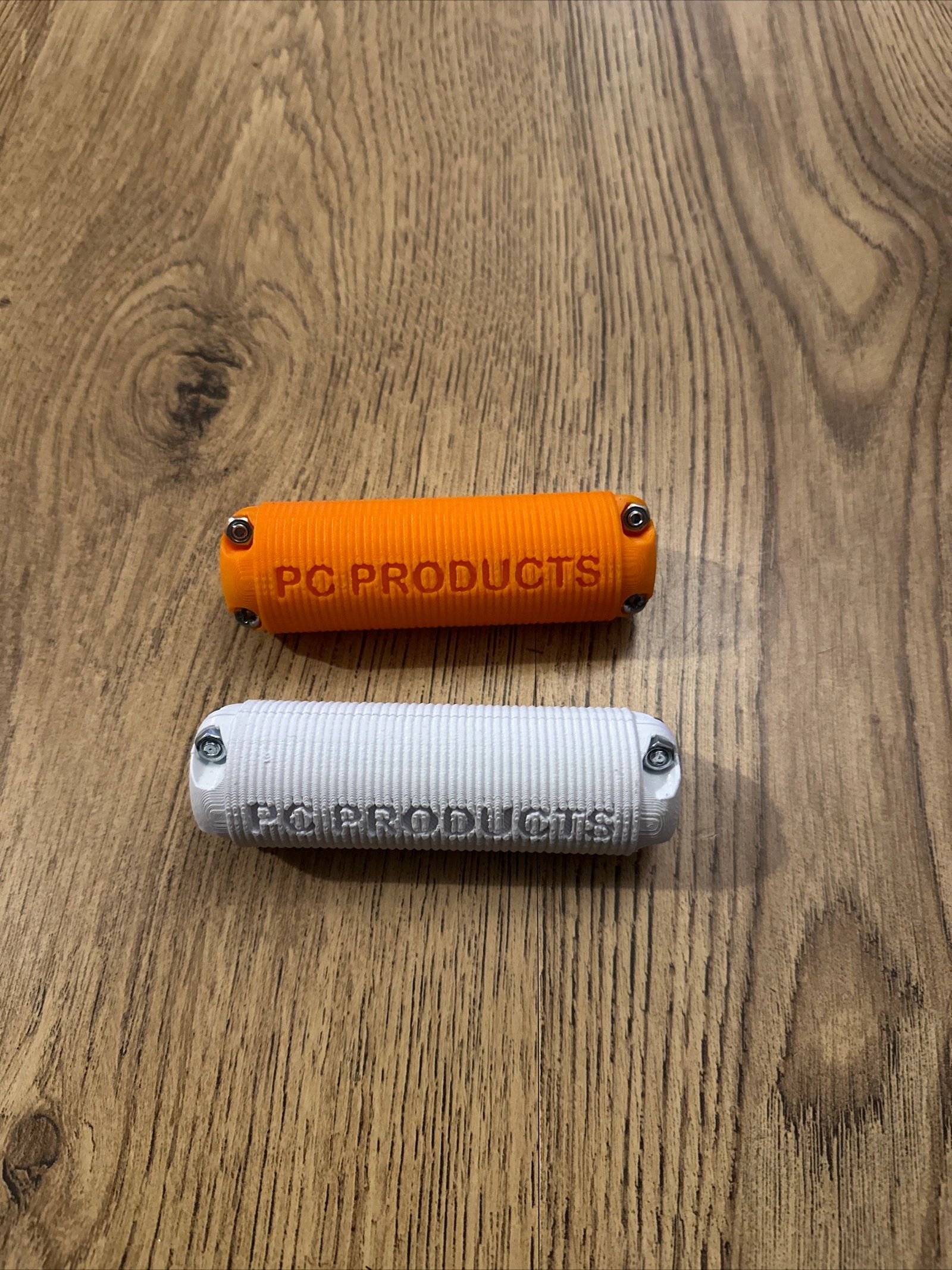
A replacement bucket grip can make a compatible wire handle more comfortable, but it cannot repair damaged bucket lugs or make an overloaded bucket safe. Inspect the complete bucket before using a replacement handle.
Build the kit around the work you do most. For repeated socket and downlight finishing, suitable protective beads may be more relevant than another finishing trowel. For rounded details, a specialist tool may earn its place. Review the product's actual role rather than buying on a name alone.
Common questions
Do I need every plastering tool to skim one wall?
No. Choose equipment for the material, background, height and finish. A small but complete working kit is more useful than specialist tools that do not match the job.
What is the difference between a float and a trowel?
The finishing trowel is used to spread and work plaster; different floats suit particular levelling, working or texturing stages. The correct use depends on the material and the tool manufacturer's instructions.
Can I buy all of these tools from PlasterSparx?
The featured PC Products cards link to the official PC Products shop. The general toolkit explains equipment categories; it is not a claim that PC Products stocks every item mentioned.